




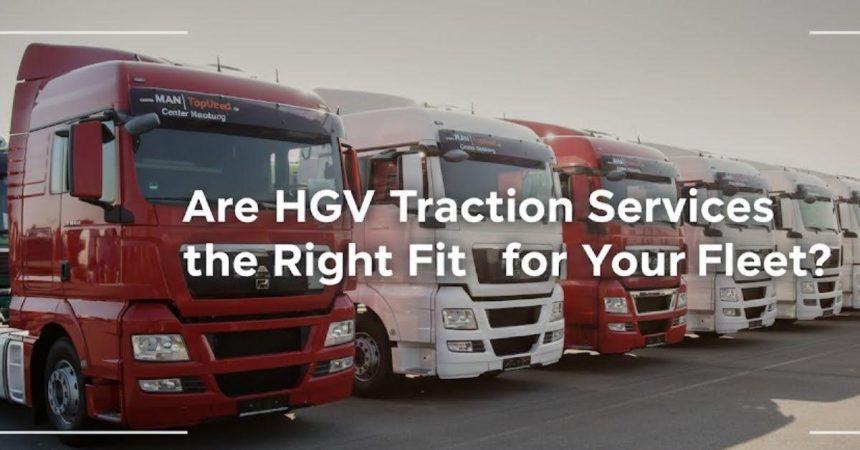
HGV traction services provide a tractor unit and a qualified driver to haul your existing trailers, offering flexibility without full ownership of pulling vehicles and traction work for owner drivers uk. Fleet managers often turn to them for scalable logistics amid variable demand and rising costs.
This guide evaluates if they align with your operations based on what traction actually delivers, what it costs, and whether your operation is built for it.
What Are HGV Traction Services?
Traction-only means one thing: a provider supplies the tractor unit and qualified driver; you supply the trailer. Your cargo, your branding, your loading process — all untouched. The provider moves your trailer from depot to port, distribution hub to retail site, and hands it back. Simple in theory. Powerful in practice.
Units are Euro 6 compliant with GPS tracking as standard. DVSA compliance sits with the provider. Trailer safety checks every 13 weeks during operation remain your responsibility — that’s the deal. Response times run within hours, and day rates start at £425 plus mileage. No long-term contracts. No idle assets.
This isn’t full haulage. It isn’t breakdown recovery. It’s a precise logistics tool — and only useful if you understand what you’re actually buying.
How Does Traction Compare to Full Haulage?
Before committing to either model, understand where each one wins. The difference isn’t just contractual — it’s operational.
| Aspect | HGV Traction | Full Haulage |
| Equipment Ownership | You own trailer; provider owns tractor | Provider owns everything |
| Cost Model | £425+ day rate, variable | Fixed per-move premium |
| Flexibility | High — scale hourly, no contracts | Low — 1–3 year agreements |
| Maintenance Split | You: trailer / Provider: tractor | Provider handles all |
| Insurance | Shared liability | Provider full coverage |
| Capital Investment | Low (trailers only) | None required |
Full haulage simplifies everything by outsourcing entirely. Traction gives you control over your assets while offloading the tractor burden. Neither is universally superior — the right answer depends on what you already own and how predictable your volumes are.
So which model actually saves money for a fleet like yours? Read on.
What Are the Real Financial Benefits?
The capital argument for traction is blunt and compelling. A single tractor unit costs £80,000–£120,000 to purchase. Add maintenance, insurance, depreciation, and driver overhead — and you’re looking at a fixed cost burden that punishes you hardest when demand drops.
Traction converts that fixed cost into a variable one. Pay for what you use. Scale for peaks. Stand down during lows. For a seasonal 10-unit surge — think Christmas retail or harvest logistics — you pay only for the operational window, not year-round ownership.
The maths favours traction decisively for underutilised fleets. Fuel surcharges hedge diesel volatility. Transparent day-rate breakdowns beat opaque full-contract pricing. And the £80,000+ you didn’t spend on a tractor? Redirect it toward core business growth.
When Does Traction Actually Make Sense?
Traction services aren’t a universal fix. They’re the right tool for a specific operational profile — and knowing that profile saves you from a costly mismatch.
Which Fleets Benefit Most?
Fleets with invested trailer assets are the primary beneficiaries. If you’re running reefers, tankers, or branded specialist trailers, you won’t compromise your equipment or process. The provider pulls; you control everything else.
Variable-demand operations are the textbook use case. Retail distributors adding five units for peak season without capital outlay. Agricultural fleets leveraging seasonal tanker pulls. Nationwide logistics firms using traction for depot shuttles amid ongoing driver shortages. These aren’t edge cases — they’re the core customer.
Which Fleets Should Look Elsewhere?
If you don’t own trailers, traction is irrelevant — full haulage is your model. If your volumes are steady and predictable year-round, full haulage offers cleaner budgeting and a single point of accountability. Hybrids work well for many larger fleets: base capacity on full haulage contracts, spike with traction during peaks. That balance is often where optimal efficiency actually lives.
| Fleet Profile | Traction Fit? | Reason |
| Own trailers | Yes | Leverage existing assets |
| Variable/seasonal demand | Yes | Instant, contract-free scaling |
| No trailers or infrastructure | No | Full haulage is the answer |
| Specialist or branded equipment | Yes | Retain full operational control |
| Steady, predictable volumes | No | Full haulage offers better stability |
If traction matches four or more criteria in your profile, it’s likely the right call.
What About Compliance and Liability?
Compliance is where fleet managers get nervous — and understandably so. The liability split in traction arrangements is real, and you need to understand it before signing anything.
The provider owns tractor compliance. Driver CPC, tacho accuracy, DVSA operator licence obligations for the unit — all theirs. What remains yours is equally non-negotiable: trailer brakes, roadworthiness, and pre-haul inspections. Don’t assume the provider checks your trailer. They don’t.
How Do You Choose the Right Provider?
Not all traction providers are built the same. Response time, fleet quality, and network coverage are the three variables that separate a reliable partner from an operational liability.
What to prioritise when evaluating providers:
- Euro 6 compliant fleet as standard — non-negotiable for emissions compliance
- Response capability under six hours for unplanned demand
- Nationwide depot and port coverage with live GPS tracking
- Verified reviews on reliability, not just headline day rates
- Transparent fuel surcharge clauses baked into the quote
Request quotes that factor your specific distance, frequency, and trailer specs. Negotiate fuel clauses upfront — diesel volatility makes open-ended surcharges a budget risk. Trial one route short-term before scaling. Real operational fit shows up faster than any sales conversation.
Final Thoughts
If you’ve read this far, you already know whether traction fits. Own trailers? Variable demand? Seasonal surges eating into your capital? Traction is built for exactly that operation.
The play is straightforward: pilot on one route with transit fleet, track cost per move against your current model, and let the numbers make the case. Most fleets that hybridise — base full haulage, traction for peaks — find the combination delivers better unit economics than either model alone.
Stop paying for tractor capacity you don’t always use. The capital has better places to go.