




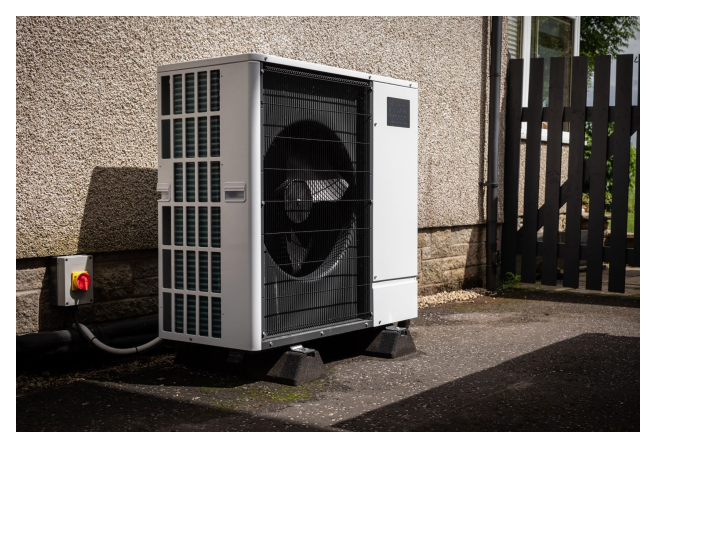
Residential heat pumps are the best workhorses in the heating and cooling sector. They serve as a heating and cooling source for year-round comfort. They do not work like traditional HVAC systems with only an air conditioner and a furnace.
Even so, air-source heat pumps have become increasingly popular in the UK. Many homeowners are still unfamiliar with this reliable, energy-efficient HVAC equipment. Due to its energy efficiency, a government support scheme has been launched in the UK. The scheme allots free air source heat pump grants to low-income families to enjoy this advanced heating technology for home improvement and comfort.
Embrace air-source heat pump technology to heat your home. ASHPs are sustainable and an economical choice.
Read on to learn how a heat pump operates and how it typically lasts.
How Do Heat Pumps Work? Air source heat pump
Let’s start by describing how a heat pump system operates. Heat pumps employ a refrigeration cycle to provide year-round heating and cooling for your house. Electric heat pumps remove heat from homes in the summer as conventional air conditioning systems do.
Heat is taken up by the refrigerant as it travels over the evaporator coil. Then, it is transported to the external condenser unit. Here, it is expelled outside. The refrigerant keeps cycling until your home reaches the temperature you have set.
The capacity of heat pumps to provide winter heating for homes sets them apart from more conventional heating systems like gas furnaces. The heat pump reverses the refrigeration cycle to absorb heat from the environment. Rather than requiring a fuel source like petrol or oil.
Even when temperatures are cold. There is still sufficient heat energy to heat homes properly.
How Long Does A Heat Pump Last? Air source heat pump
Air-source heat pumps usually last less time than air conditioners and furnaces. Because they are used year-round. ASHPs generally have a lifespan of 10 to 15 years.
Frequency of use and regular maintenance are the two most crucial aspects. That affects a heat pump’s lifespan. Proper maintenance should be performed twice a year, in the spring and the autumn. When your HVAC specialist visits for maintenance. They will examine and clean system components.
They will also check for minor problems and take care of them before they develop into larger, more costly repairs in the future.
Remember that frequent maintenance will increase the life of your heat pump. And it also ensures that it continues to function correctly for many years.
Signs That Your Home’s Heat Pump Need to Be Replaced
If you already own a heat pump between 10 to 15 years old. And you are unsure whether to replace it now to avoid a sudden breakdown. Let’s look into the common signs that indicate it might be time to replace it.
Rising Energy Bills Air source heat pump
Have you seen an unexpected spike in your energy costs without any associated weather-related events? As heat pumps age and become less efficient, they take longer to heat or cool your home. As a result, the system runs longer, increasing the cost of heating and cooling.
Frequent Repairs
It makes more sense to purchase a new heat pump with the money you would have spent on repairs if you had to fix yours often and it was already over ten years old.
Poor Indoor Air Quality
Heat pumps do more than heat and cool your house; they also remove moisture from the air to maintain proper humidity levels. If the air in your home seems hot, your heat pump isn’t working as efficiently as it should. Increased moisture can cause mould and mildew to develop.
Strange Noises Air source heat pump
Your HVAC system is comparatively silent, save for the sound it makes when a cycle begins or ends. Therefore, it is essential to have any unusual noises, such as screeching, humming, or grinding, looked out right away. A component on your heat pump may be loose or broken, or the system may be broken altogether.
Other Issues
The circuit breaker trips whenever the heat pump turns on. Then the temperature in different parts of your home is different. And cold air escapes through vents when the heat is on. These are all signs that your heat pump system may be about to break down.
Conclusion Air source heat pump
Air source heat pumps are a green and energy-efficient way for homes to heat their spaces. Choosing the best air source heat pumps can further improve performance and longevity. They usually last between 10 and 15 years, but with the right placement, care, and upkeep, they can last much longer.
If you understand what affects their lifespan and follow good maintenance practices, you can enjoy reliable heating for many years while saving on energy costs.